10 Commonly Overlooked Factors When Booking an Exhibition Stand
Booking an exhibition stand is more than reserving space or designing eye-catching visuals. While many clients focus on graphics, interactive demos, and technology, it’s the practical details that make a stand truly successful. Here’s a guide to the critical, often-overlooked aspects of exhibition stand planning.
1. Plan Your Power and Electrical Requirements
One of the biggest oversights is power and electrical planning. Screens, lighting, demo tech, and charging stations all need electricity. Late requests for extra power can be expensive or impossible. Make a detailed inventory of all devices and ensure safe, discreet cable routing in your stand design. Our team will talk you through this and advise on the power your stand needs.
2. Include Hidden Storage and Staff Functionality
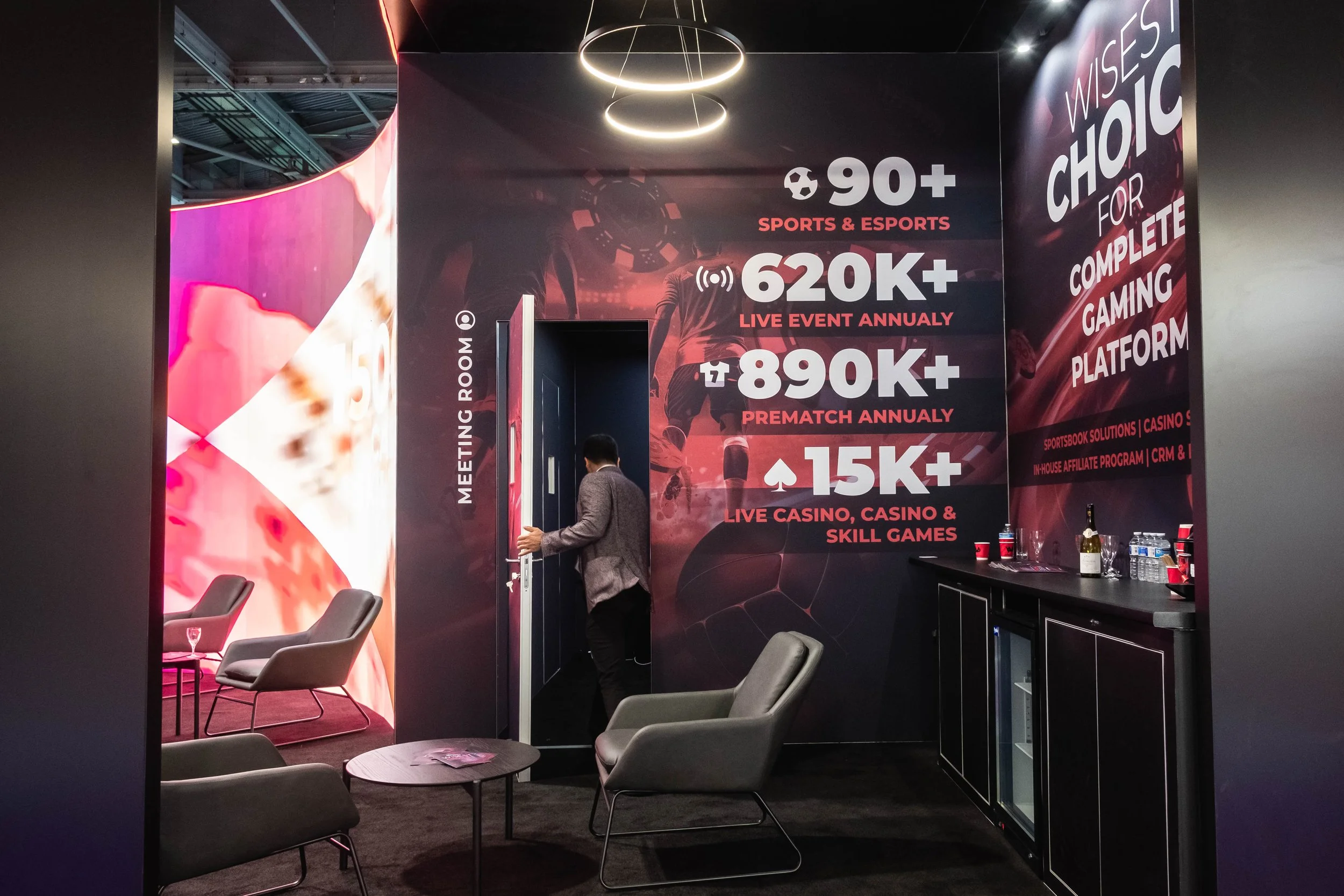
A clutter-free stand looks professional, but your team needs storage for bags, coats, and stock. Hidden storage areas improve workflow, keep staff comfortable, and make your stand feel organised and welcoming. Don’t underestimate the need for practicality on the show days. Storage can be clearly hidden and made to look a part of the exhibition stand design.
3. Ensure Wi-Fi and Internet Bandwidth
Modern exhibition stands rely on fast, stable internet for touchscreens, digital lead capture, and demo technology. Pre-book bandwidth and test connectivity to prevent slow systems, failed demos, or lost leads.
Start by listing the needs: the number of devices, the type of traffic, and whether constant uptime is required for demos, POS, or cloud apps. Check the exhibitor's technical manual; many venues ban personal routers and hotspots to avoid interference.
Prefer wired Ethernet drops for reliable connectivity. Use managed private Wi‑Fi for staff and guests as a backup, and consider a bonded 5G failover if the venue allows it.
4. Optimise Your Lead Capture Systems
Using digital lead capture, such as touchscreens, can boost ROI but only if systems are fully integrated and tested. Train staff, check connectivity, and have a backup plan for technical issues. iPads are also a quick and easy way to obtain client information, making follow-up post-exhibition a smoother process.
5. Manage Logistics Timing
Exhibition success depends on meticulous logistics. Freight delivery, stand construction, and tech installation require careful scheduling. Factor in setup, testing, and contingencies to avoid last-minute stress.
6. Address Insurance and Risk Assessments
Exhibitions involve public spaces and equipment risks. Confirm insurance coverage and complete risk assessments early, especially for expensive tech or live demos, to prevent liability issues. Our team run risk assessments, our experience of working with venues allows us access to venue policies. We are well-versed in the requirements for exhibitors for health and safety needs.
7. Traffic Flow and Sightlines
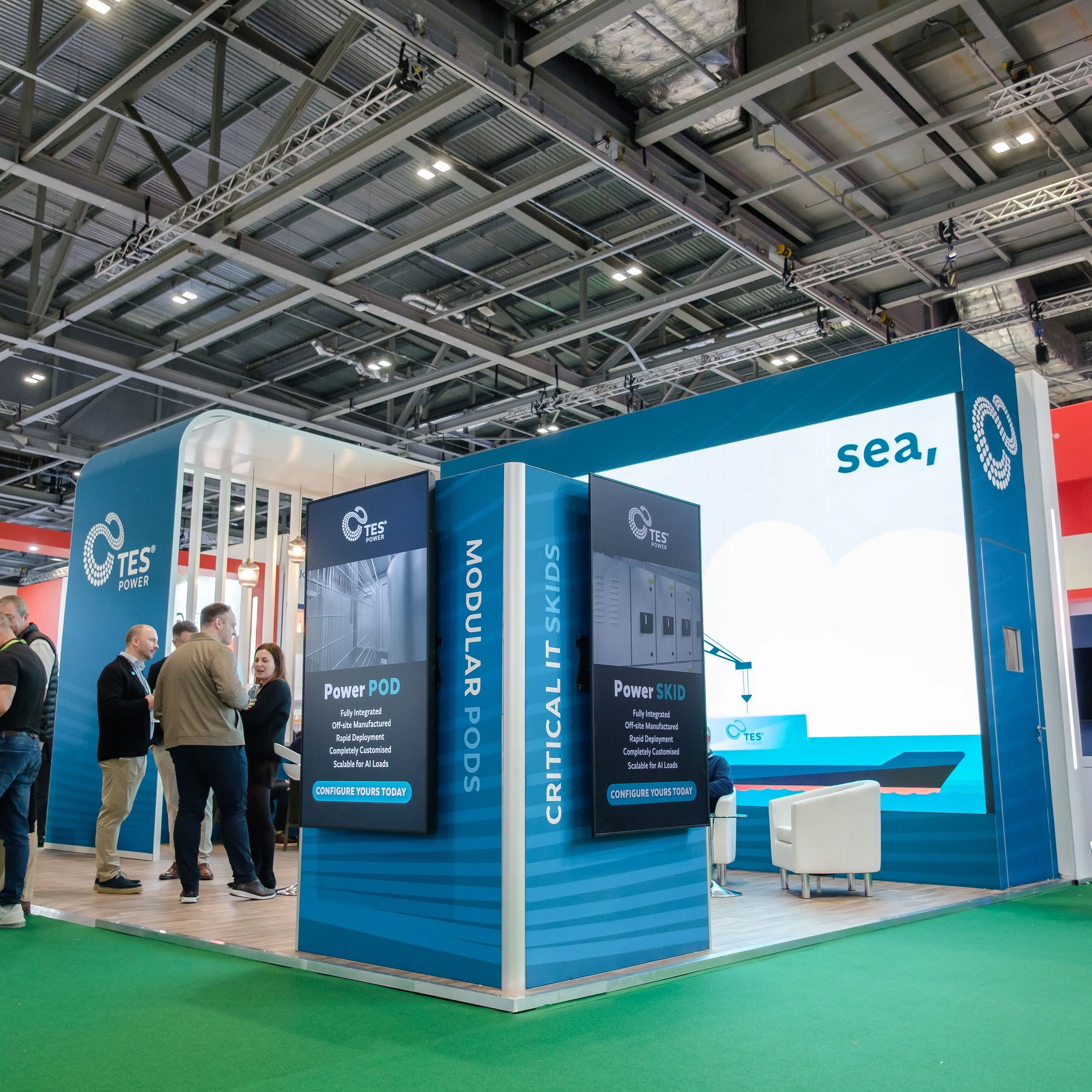
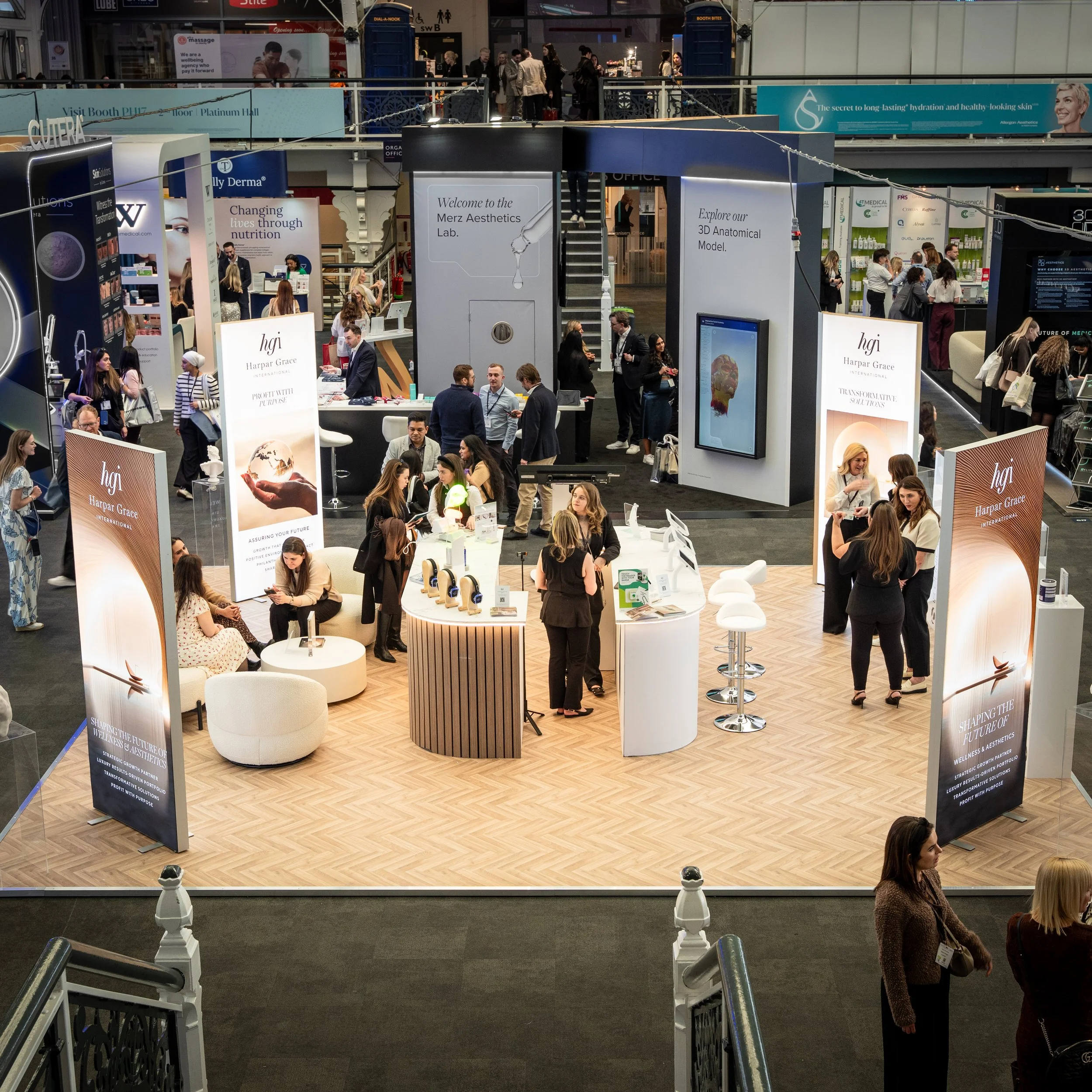
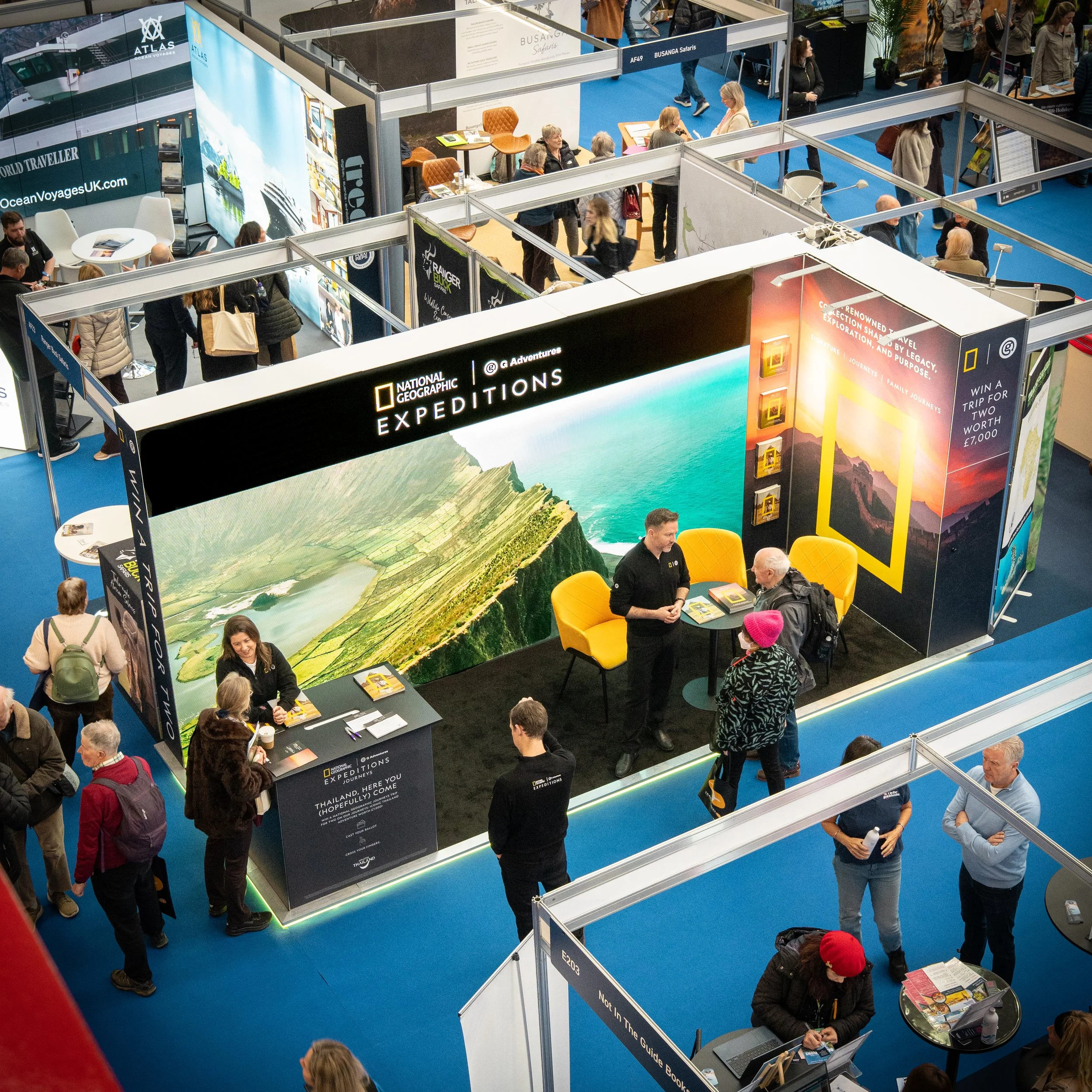
Consider how visitors will approach, enter, and move through your stand. Poor layout can block demos or create bottlenecks, limiting engagement. This is one of the most important factors to take into consideration. Remember, your exhibition stand aims to increase ROI. Implement inviting seating areas to encourage client conversations into leads. Use technology, like touch screens, to increase dwell time on your exhibition stand. Highlight products with staging areas and a chance for clients to test products. Use LED screens in sightlines, so your branding is visible from further away in the exhibition hall.
8. Test Your Tech Demos
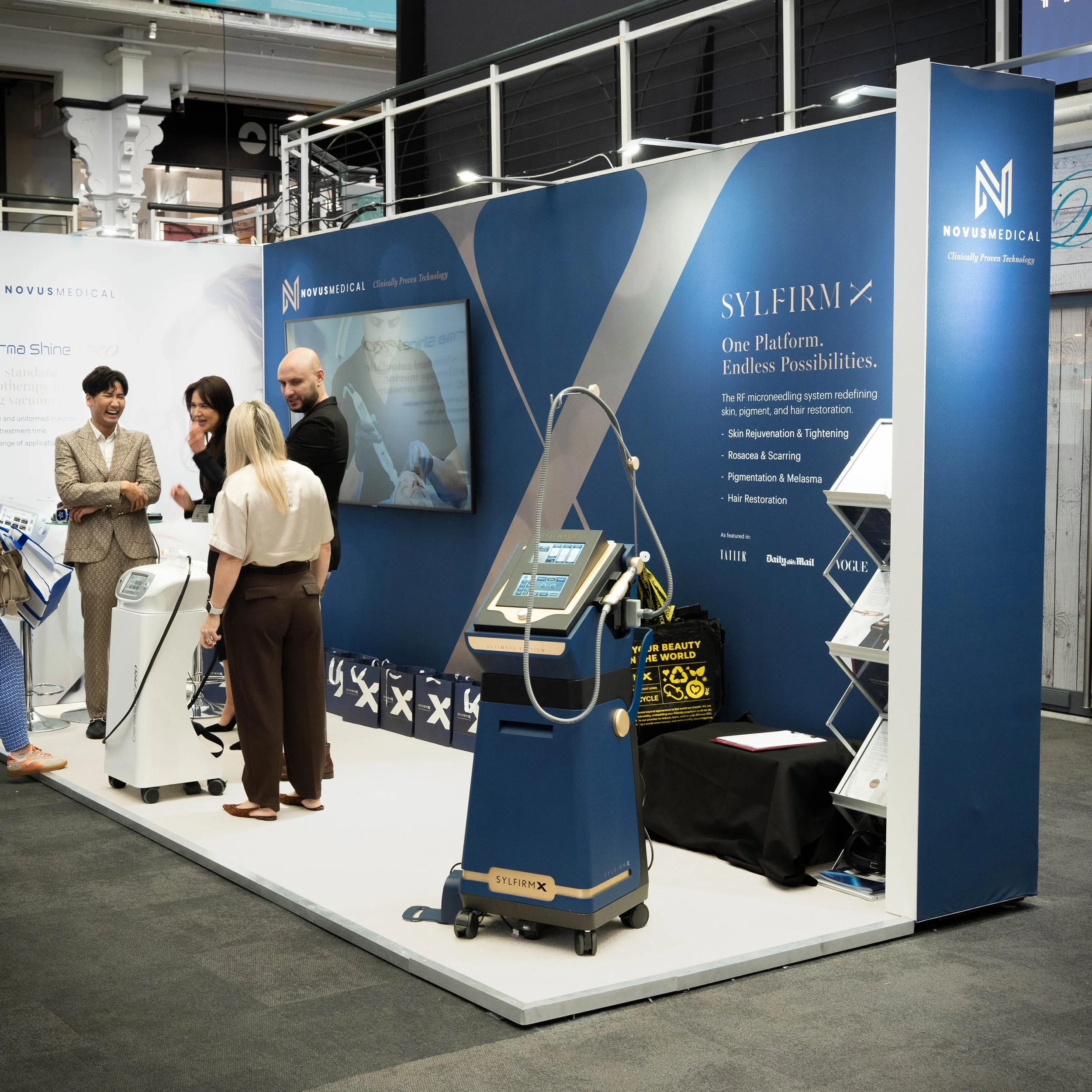
Showcasing new technology is exciting, but testing is essential. Broken demos, software glitches, or poor integration reflect poorly on your brand. Schedule dry runs and prepare backup solutions. Our technicians are on-site to ensure that all technology is tested, running smoothly, and to give you demos. Should you need any technical help, we are only a phone call away!
9. Plan Waste Management and De-Rigging

Plan for waste disposal and post-show dismantling. Leftover packaging, handouts, and promotional materials need careful handling. Early planning reduces labour costs and post-show headaches. Our stands are a sustainable solution to waste. Our modular system is easily de-rigged by our expert technicians and out of the way within the exhibition venue timeframe.
10. Balance “Wants” vs. “Needs”
Many clients have ambitious wish lists, from interactive walls to demo pods, but space and budget are finite. Prioritise essentials over extras to create a functional, impactful, and manageable stand. Strategic compromise ensures ROI without clutter or chaos. It is normal for clients to want all the bells and whistles! We get it, it is your stand, and you want to promote your brand and position yourself strongly at the trade show. But our job is to make sure you are realistic in your wants and needs. Our decades of experience mean that you will be given advice that will maximise your brand identity and increase footfall to your stand.
Covering Every Angle: Stand Essentials You Can’t Ignore
A successful exhibition stand is functional, engaging, and well-planned. By addressing power, storage, internet, lead capture, logistics, insurance, staff welfare, tech testing, waste management, and balancing priorities, clients can avoid common pitfalls and maximise their investment.
For Ambien®360 clients, careful planning ensures that it impresses visitors, support teams, and delivers measurable ROI not just visually, but practically.
Discover how Ambien®360 can help you create your next custom exhibition stand that is both eye-catching and fully functional.